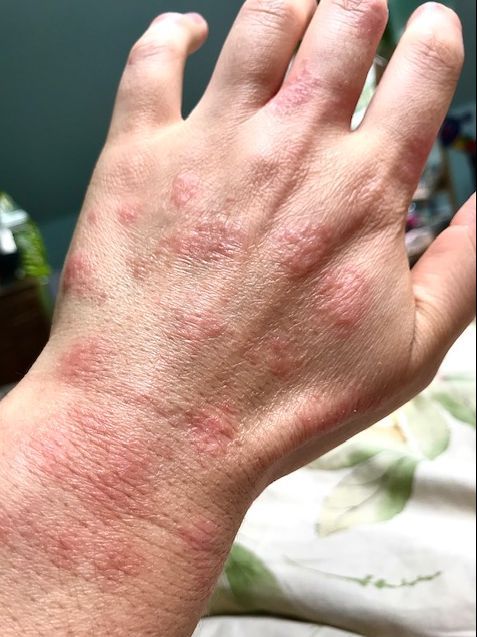
There are several forms of dermatitis, each with unique characteristics:
Contact Dermatitis
This type occurs when the skin comes into contact with an irritant, causing inflammation. Common triggers include:
- Poison ivy
- Fruits, vegetables, herbs, and flowers
- Metals, rubber, hair dyes, and fragrances
There are two types of contact dermatitis:
- Irritant Dermatitis: Caused by substances like soaps, detergents, and chemicals.
- Allergic Dermatitis: Triggered by allergens like poison ivy, nickel, rubber, and fragrances.
Nummular Dermatitis
Characterized by oval or round lesions, this type is neither contagious nor linked to food allergies.
Atopic Dermatitis (Eczema)
Atopic dermatitis leads to intense itching, redness, and flakes on the skin. It’s often caused by allergens, irritants, and food allergies.
Seborrheic Dermatitis
This condition primarily affects areas with many oil glands, such as the scalp (dandruff), face, and chest. It may be linked to conditions like psoriasis and acne.
Dyshidrotic Eczema
A less common form of eczema, causing tiny blisters on the palms of the hands, soles of the feet, and sides of the fingers. It can be triggered by sweat or irritants like metals.
Neurodermatitis
Causes intense itching in one or two specific areas, such as the back of the neck, arm, or leg. Stress and mental health conditions, such as anxiety, can trigger it.
Nummular Eczema
Often appearing after skin injury, such as a burn or insect bite. It’s more common in individuals with a history of allergies or asthma.
Stasis Dermatitis
Occurs in people with poor circulation, often in the lower legs. Lifestyle factors like being overweight or inactive can increase the risk.