Allergies & Skin
Vitiligo
A skin condition in which patches lose their pigment as the melanocytes, the cells that produce melanin, are destroyed. It affects less than 1% of people worldwide.
Book a Consultation Vitiligo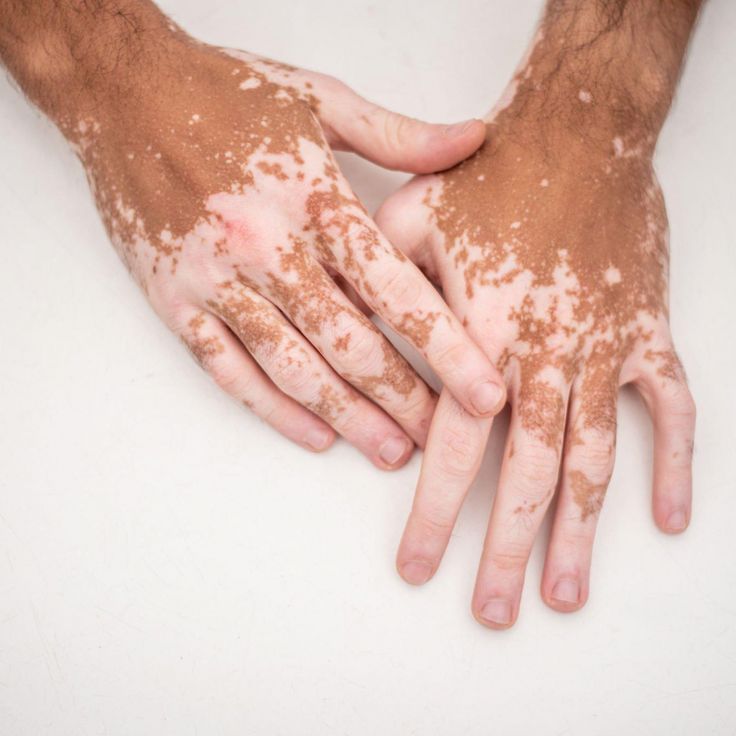
Vitiligo is a skin condition characterised by the loss of pigmentation due to the destruction of melanocytes, the cells responsible for producing melanin. The exact cause remains unknown; autoimmunity, oxidative stress, genetic predisposition, viral infection and neural influences are all suspected.
Vitiligo does not cause physical discomfort, though affected areas are more sensitive to sunburn. It can appear at any age but commonly develops before the age of 30. Its progression varies: some people see it spread slowly, others rapidly, and in rare cases the skin regains its colour on its own.
Types of vitiligo
- Segmental vitiligo: white patches on one side or one part of the body. Less common, and it usually stabilises after a few years.
- Non-segmental vitiligo: the most common type, with symmetrical white patches across several areas of the body.
Symptoms
- Patchy loss of skin colour, often on the hands, face and around body openings
- Premature whitening of hair on the scalp, beard, eyebrows or eyelashes
- Loss of pigment in the mucous membranes inside the mouth and nose
- Changes in the colour of the retina
- Skin lesions, particularly on the face, wrists and hands
Causes and triggers
- Autoimmune activity against pigment cells
- Oxidative stress
- Genetic predisposition
- Viral infection
- Neural influences
How homeopathy helps
With an individualized approach based on each patient’s unique symptoms, triggers, frequency, intensity, and modalities, homeopathy offers a holistic and effective treatment. When prescribed by an expert, the appropriate homeopathic medicine not only relieves acute symptoms but also helps prevent relapses and complications. This leads to long-term control and, in many cases, a complete cure, enabling patients to lead a symptom-free life.
Homeopathic treatment is known for being safe, gentle, and free from side effects. It addresses the root cause of illnesses and has shown promising results even in conditions often considered incurable or difficult to manage by conventional medicine.
Typical duration
6–12 months, reviewed monthly
Supported by
Frequently asked questions
Is vitiligo contagious?
No. Vitiligo cannot be passed on by touch, saliva or shared items. It is a condition of the skin’s pigment cells, not an infection.
Will the patches spread?
It varies. Some patches stay the same size for years; others spread slowly. The pattern is one of the things assessed at each review.
How long before I see any change?
Change is gradual and is usually assessed over months rather than weeks. Photographs at each review make small changes easier to see.
Other conditions in this speciality
Acne
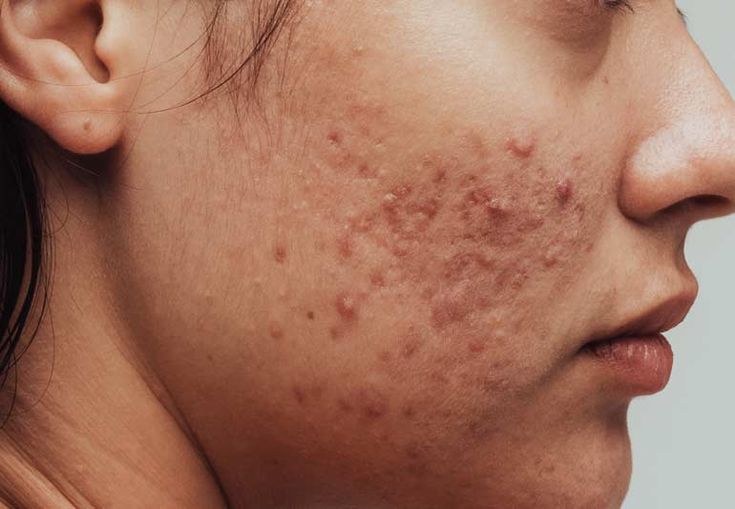
A common skin condition that leaves whiteheads, blackheads, pimples and sometimes scarring, mainly on the face, upper chest and back, where the oil glands are most active.
Read More Acne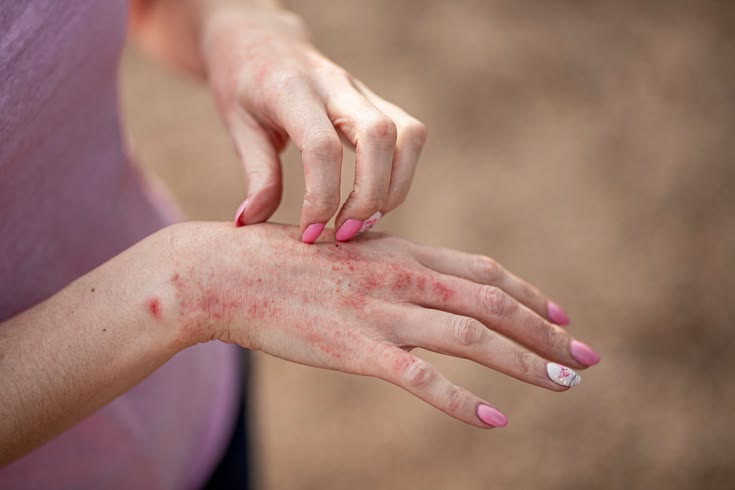
Atopic Dermatitis
A chronic, non-contagious skin condition: dry, itchy, inflamed skin that flares and settles. Most common in children, but it can begin at any age.
Read More Atopic Dermatitis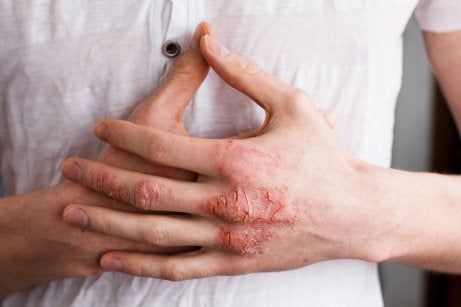
Eczema
Dermatitis covers a range of conditions that inflame the skin, leaving it dry, itchy and red, sometimes with blisters, crusty scales or fluid-filled sores.
Read More Eczema