Allergies & Skin
Psoriasis
A chronic, immune-mediated skin disease in which skin cells are produced far faster than they shed, forming scaly, itchy patches. It is not contagious.
Book a Consultation Psoriasis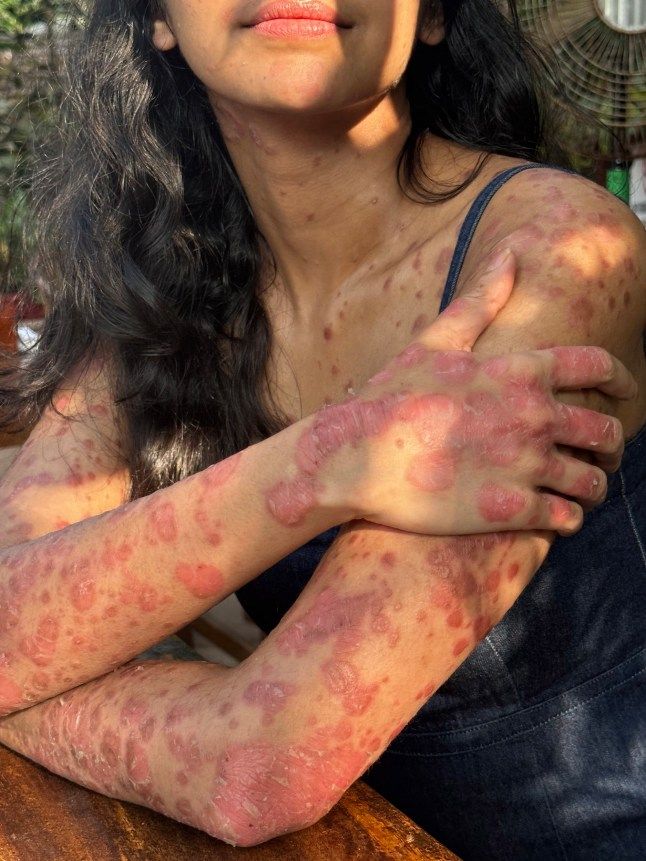
Psoriasis is a chronic, immune-mediated skin disease that leads to the rapid overproduction of skin cells, causing scaly, itchy patches. It is not contagious, but it can contribute to other health risks, including cardiovascular disease and stroke.
The condition occurs when the immune system mistakenly attacks healthy skin cells, triggering excessive skin-cell growth. This results in the buildup of thick, scaly patches, commonly appearing on the scalp, knees, elbows, genitals and the soles of the feet. Psoriasis follows a cycle of flare-ups and remission.
Types of psoriasis
- Plaque psoriasis: the most common type, with raised red patches covered in silvery scales.
- Erythrodermic psoriasis: a severe form leading to widespread redness, shedding and pain.
- Pustular psoriasis: white pustules surrounded by inflamed skin.
- Guttate psoriasis: small, drop-like spots, often triggered by an infection.
- Inverse psoriasis: smooth, red lesions in body folds, such as under the breasts or around the genitals.
Conditions associated with psoriasis
Psoriasis is more than a skin condition, and long-standing cases are assessed with the whole picture in view:
- Psoriatic arthritis, causing joint pain and stiffness
- Eye conditions such as conjunctivitis and uveitis
- Metabolic disorders, including obesity, type 2 diabetes and high blood pressure
- Cardiovascular disease
- Other autoimmune diseases, such as coeliac disease, sclerosis and Crohn’s disease
- Low self-esteem and depression
Symptoms
- Plaque buildup: bright red patches covered in silvery-white scales
- Dry, cracked skin that may bleed
- Severe itching and burning, especially during a flare
- Swollen, stiff joints
- Nail changes: tiny pits, yellow discolouration and debris under the nail
- Temporary changes in skin colour where a patch has cleared
Causes and triggers
- Immune activity that speeds up skin-cell turnover
- Infections
- Skin injuries: cuts, burns or sunburn
- Stress
- Certain medications
- Cold, dry weather
How homeopathy helps
With an individualized approach based on each patient’s unique symptoms, triggers, frequency, intensity, and modalities, homeopathy offers a holistic and effective treatment. When prescribed by an expert, the appropriate homeopathic medicine not only relieves acute symptoms but also helps prevent relapses and complications. This leads to long-term control and, in many cases, a complete cure, enabling patients to lead a symptom-free life.
Homeopathic treatment is known for being safe, gentle, and free from side effects. It addresses the root cause of illnesses and has shown promising results even in conditions often considered incurable or difficult to manage by conventional medicine.
Typical duration
4–8 months, reviewed monthly
Supported by
Frequently asked questions
Is psoriasis just dry skin?
No. Dry skin is a symptom, not the cause. Psoriasis is driven by skin cells being replaced far faster than usual, which is why moisturiser alone does not clear it.
Can stress cause a flare?
Stress is one of the more commonly reported triggers, though it is rarely the only one. Tracking flares against events helps identify the pattern in each case.
Is psoriasis contagious?
No. It cannot be passed on by touch or by sharing anything. It is driven by the immune system, not by an infection of the skin.
Other conditions in this speciality
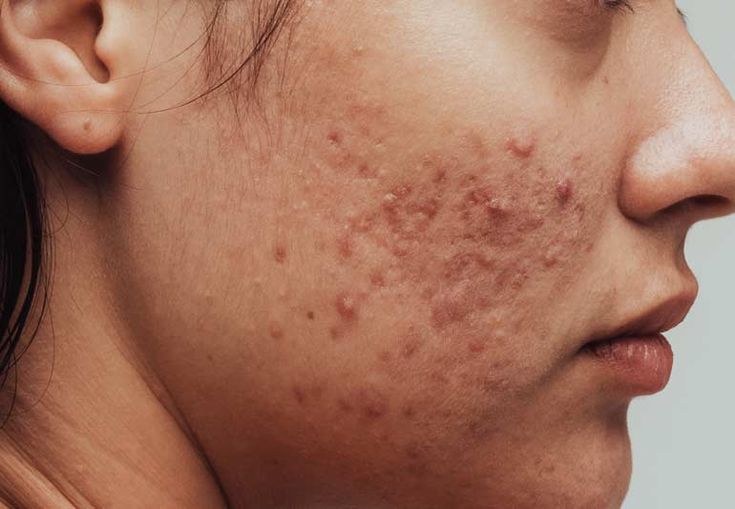
Acne
A common skin condition that leaves whiteheads, blackheads, pimples and sometimes scarring, mainly on the face, upper chest and back, where the oil glands are most active.
Read More Acne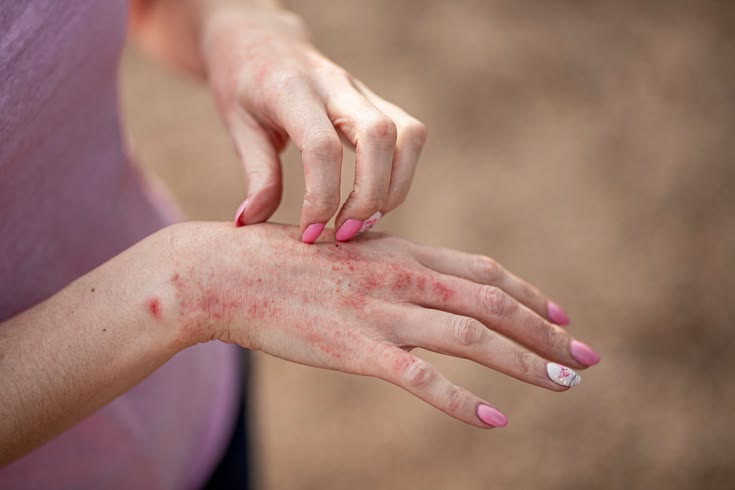
Atopic Dermatitis
A chronic, non-contagious skin condition: dry, itchy, inflamed skin that flares and settles. Most common in children, but it can begin at any age.
Read More Atopic Dermatitis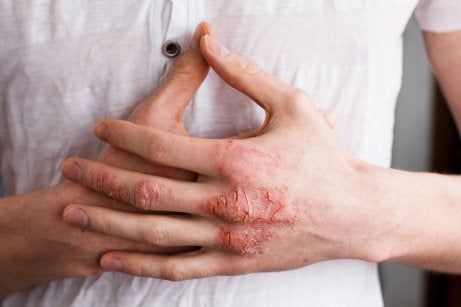
Eczema
Dermatitis covers a range of conditions that inflame the skin, leaving it dry, itchy and red, sometimes with blisters, crusty scales or fluid-filled sores.
Read More Eczema